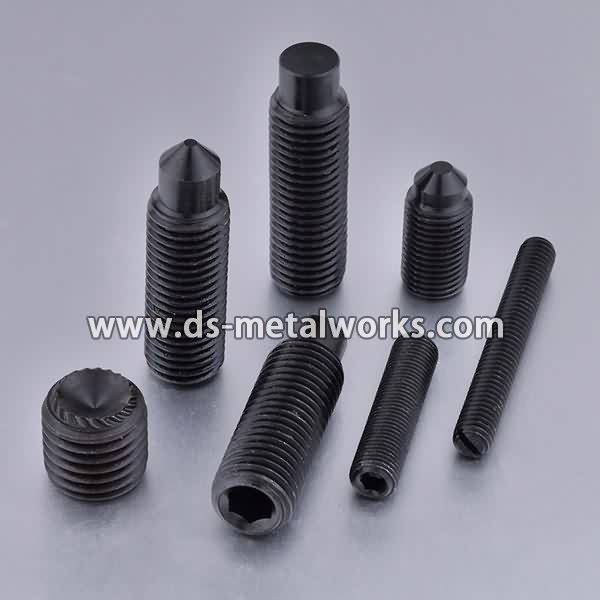
OEM/ODM Factory for DIN261 DIN787 DIN186 ASME B18.5 AWWA C111-A21.11 T Bolts for Comoros Importers
Short Description:
DIN261 DIN787 DIN186 ASME B18.5 AWWA C111/A21.11 T Bolts Also be available acc. to customer’s requirement and drawing Metric Size: M6-M30 with various lengths Inch Size: 1/4”-1” with various lengths Material Grade: ISO 898-1 class 4.8, 5.8, 6.8, 8.8, 10.9, 12.9, ISO 3056-1 A2-70, A4-70 SAE J429 2, 5, 8; ASTM A193/A320 B7, B8, L7; Finish: Black Oxide, Zinc Plated, Hot Dip Galvanized, Dacromet, and so on Packing: Bulk about 25 kgs each carton, 36 cartons each pallet Advantage: High Quality and ...
Product Detail
Product Tags
OEM/ODM Factory for DIN261 DIN787 DIN186 ASME B18.5 AWWA C111-A21.11 T Bolts for Comoros Importers Detail:
DIN261 DIN787 DIN186 ASME B18.5 AWWA C111/A21.11 T Bolts
Also be available acc. to customer’s requirement and drawing
Metric Size: M6-M30 with various lengths
Inch Size: 1/4”-1” with various lengths
Material Grade: ISO 898-1 class 4.8, 5.8, 6.8, 8.8, 10.9, 12.9, ISO 3056-1 A2-70, A4-70
SAE J429 2, 5, 8; ASTM A193/A320 B7, B8, L7;
Finish: Black Oxide, Zinc Plated, Hot Dip Galvanized, Dacromet, and so on
Packing: Bulk about 25 kgs each carton, 36 cartons each pallet
Advantage: High Quality and Strict Quality Control, Competitive price,Timely delivery; Technical support, Supply Test Reports
Please feel free to contact us for more details.
Product detail pictures:


Our growth depends on the superior equipment ,exceptional talents and continuously strengthened technology forces for OEM/ODM Factory for DIN261 DIN787 DIN186 ASME B18.5 AWWA C111-A21.11 T Bolts for Comoros Importers, The product will supply to all over the world, such as: Azerbaijan, Turkey, Australia, Adhering to the principle of Enterprising and Truth-Seeking, Preciseness and Unity, with technology as the core, our company continues to innovate, dedicated to providing you with the highest cost-effective products and meticulous after-sales service. We firmly believe that: we are outstanding as we are specialized.
An engineer and a historian discuss how technology and human behavior are shaping the sustainable energy revolution.
In the first in a series of events exploring the intersection of engineering and humanities perspectives on common themes, Stanford faculty members John O. Dabiri, professor of civil and environmental engineering and of mechanical engineering, and Ian Morris, professor of classics, engaged in a moderated discussion about the future of sustainable energy. The two spoke at length about their different viewpoints on a central question: What can we expect the transition from fossil fuels to renewable energy to look like in light of new technologies and age-old human behavior?
Morris, whose most recent book explored the role of energy in shaping inequality and violence over the past 20,000 years, said that the three critical periods of energy transition – from foraging to farming to fossil fuel societies – have resembled the messy process of natural selection. “Changing our behavior is a process driven by the same forces that drive biological evolution,” he said. “We respond positively to things that allow us to do what we want to do in an easier way without taking too many risks. So if you have electric cars that cost less and run on less than internal combustion engines, then people will buy them. If you don’t, they won’t.”
Dabiri, whose research focuses on new ways to capture wind energy, said that engineers should think a little more about the context of their work – how renewable energy solutions will look different in Palo Alto than they will in Mumbai – as well as how a deeper understanding of human nature could help motivate people to change their behavior. “We often as engineers come in to the problem thinking if we come up with a cool enough gadget, people will flock to it. That might be true of the iPhone,” he said. “Until we come up with the iPhone equivalent for climate change, for solar energy, for wind energy, it’s going to be an uphill battle for massive adoption of these technologies.”
Stair rails are for looks and safety…and whether it’s time to replace your current railing or you just want to change up the look, it’s something you can do on your own.
So watch this episode of Around The House and we’ll show you how.
https://www.menards.com